
Is Micro-Investing Worth It? An Honest Look at the Pros and Cons
Introduction
Micro-investing has emerged as a popular investment strategy that allows individuals to invest small amounts of money, often through mobile apps, to build wealth over time. As financial literacy becomes increasingly important in our fast-paced world, understanding the pros and cons of micro-investing is essential for anyone considering this investment method. This guide targets beginners and seasoned investors alike who wish to explore the viability and effectiveness of micro-investing.
What is Micro-Investing?
Micro-investing is defined as the practice of investing small amounts of money—often as little as a few dollars—into various financial assets, such as stocks, bonds, or exchange-traded funds (ETFs). It has evolved significantly over the past decade, moving from niche platforms to mainstream financial services.
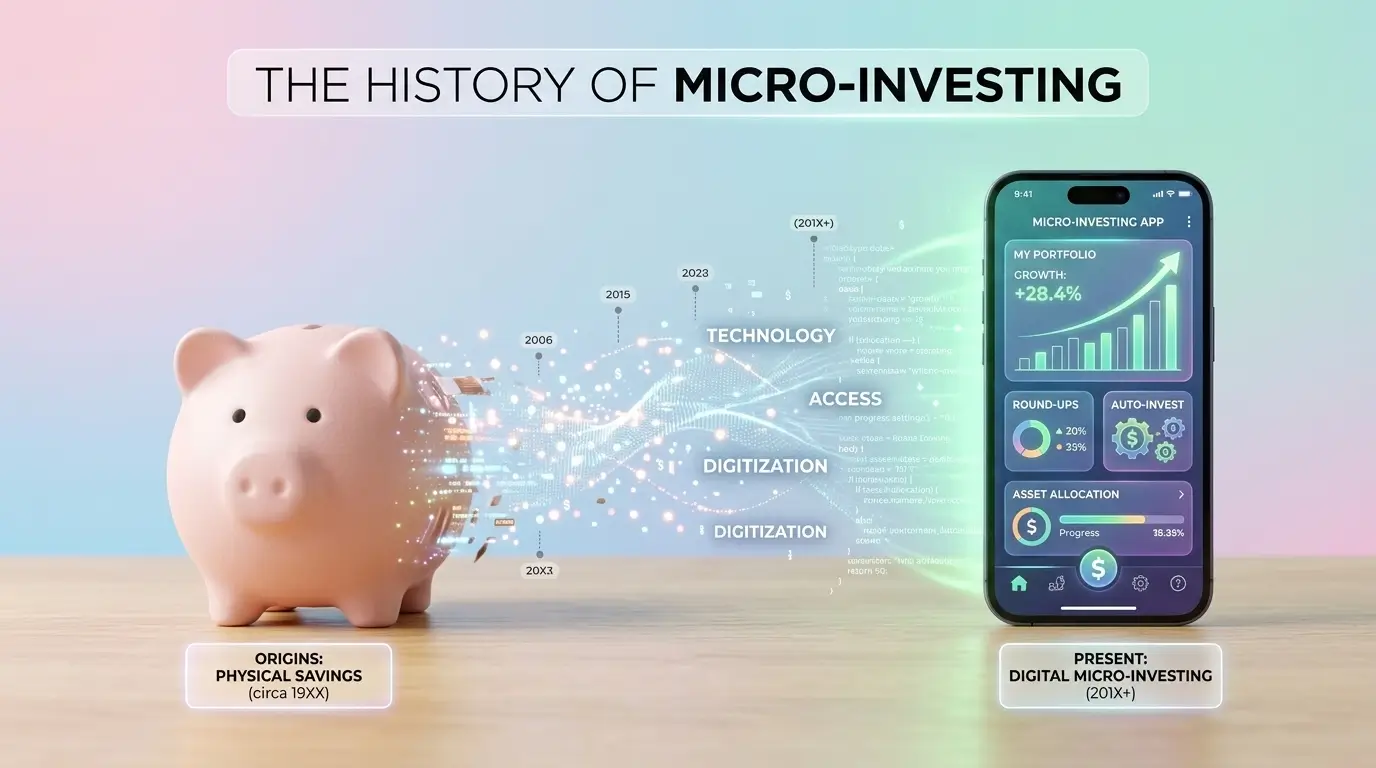
Historically, investing was often seen as a privilege reserved for those with substantial capital. However, the advent of technology and mobile applications has democratized access to investment opportunities, allowing everyday individuals to participate in the financial markets without needing significant upfront capital.
Comparison with Traditional Investing
| Feature | Micro-Investing | Traditional Investing |
|---|---|---|
| Minimum Investment | $5 or less | Often $1,000 or more |
| Investment Variety | Limited (often ETFs or fractional shares) | Wide range (stocks, bonds, real estate) |
| Accessibility | Very accessible via apps | May require broker accounts |
| Complexity | Simplified investment choices | Requires more knowledge and strategy |
| Fees | Generally lower | Can vary widely |
How Does Micro-Investing Work?
Micro-investing typically involves several key components:
Small Incremental Contributions
Investors can contribute small amounts regularly, often through rounding up purchases to the nearest dollar and investing the difference. For instance, if you spend $3.75 on coffee, the app might automatically invest $0.25.
Fractional Investing
Fractional investing allows users to buy portions of shares rather than whole shares. This is particularly beneficial for high-priced stocks, enabling investors to diversify their portfolios without needing significant capital. For example, if a stock costs $1,000, you could invest just $10 and still have a stake in that company.
Portfolio Simplicity
Micro-investing platforms typically offer simplified investment choices, focusing on diversified portfolios that include ETFs and index funds. This reduces the complexity of selecting individual stocks and helps investors maintain a balanced portfolio.
Automation Tools
Most micro-investing apps leverage technology to automate the investment process. Users can set up recurring contributions, and the app will handle the rest, making it easier for individuals to stay consistent with their investing habits.
Micro-Investing Platforms
Several micro-investing platforms have gained popularity, each with unique features and benefits:
Overview of Popular Micro-Investing Apps
Acorns: Rounds up your purchases and invests the spare change. It also offers various investment portfolios based on your risk tolerance.
Stash: Allows users to invest in fractional shares and offers educational resources to help users learn about investing.
Robinhood: Known for commission-free trading, it provides access to stocks, options, and cryptocurrencies, though it may not focus solely on micro-investing.
Wealthfront: Offers automated investment management and is ideal for those looking for a more hands-off approach.
Comparison Table of Features, Fees, and Target Users
| Platform | Minimum Investment | Fees | Target Users |
|---|---|---|---|
| Acorns | $5 | $1/month | Beginners seeking automated investing |
| Stash | $1 | $1-9/month | New investors wanting education |
| Robinhood | $0 | $0 | Active traders |
| Wealthfront | $500 | 0.25%/year | Hands-off investors |
User Testimonials and Case Studies
Many users report positive experiences with micro-investing platforms. For example, a user of Acorns shared how they managed to save and invest over $1,000 in just a year by rounding up their purchases. Testimonials highlight the ease of use and the automatic nature of these investments as major benefits.
Advantages of Micro-Investing
1. Low Barrier to Entry
Micro-investing platforms have significantly lowered the barrier to entry for new investors. With no minimum investment requirements, anyone can start investing with just a few dollars.
2. Simplicity and Automation
The simplicity of these platforms makes them appealing to beginners. Automated investing allows users to set it and forget it, which is ideal for those who may not have the time or expertise to manage their investments actively.
3. Behavioral Benefits
Micro-investing encourages saving and investing habits. By making small, regular contributions, users can develop a mindset focused on financial growth, which is essential for wealth building.
4. Access to Diversification
Even with small amounts, investors can access diversified portfolios that reduce risk. This is particularly important for novice investors who may not have the knowledge to pick individual stocks.
5. Education and Engagement
Many micro-investing apps offer educational resources, helping users improve their financial literacy. This engagement can empower users to make more informed financial decisions in the future.
Disadvantages of Micro-Investing
1. Limited Growth Potential
While micro-investing can help build wealth over time, the potential returns may be limited compared to traditional investing strategies. Investing small amounts may not yield significant growth, especially in a volatile market.
2. Platform Fees
Although fees are generally lower than traditional investment platforms, they can still add up. For instance, monthly fees can diminish returns, particularly for small investment amounts.
3. Over-Simplification
The simplified nature of micro-investing can lead to a lack of understanding about the investments being made. Investors may not fully grasp the risks and rewards associated with their portfolios.
4. Not a Substitute for Full-Scale Financial Planning
Micro-investing should not be viewed as a comprehensive financial strategy. It is essential for investors to consider their overall financial goals and develop a broader investment strategy.
5. Technology Dependence
Investors are dependent on technology and the reliability of the platforms. Technical issues or outages could impact the ability to manage investments effectively.
Is Micro-Investing Safe?
Micro-investing is generally considered safe, but it is not without risks. The primary risks include market volatility and the potential for losses, similar to traditional investing. Additionally, the reliance on technology introduces risks related to data security and platform reliability.
Comparison with Traditional Investment Risks
While the risks are similar, micro-investors may face unique challenges due to their limited investment amounts. As a result, the impact of market fluctuations can be more pronounced on a smaller scale.
Expert Opinions from Financial Advisors
Many financial advisors recommend micro-investing as a starting point for new investors, emphasizing the importance of understanding the market and diversifying investments. They caution that while micro-investing can be a useful tool, it should be part of a broader financial strategy.
Can You Make Money with Micro-Investing?

The potential to make money with micro-investing exists, but it largely depends on several factors:
Investment Choices: Selecting the right assets can significantly influence returns.
Market Conditions: Economic factors and market volatility can impact investment performance.
Time Horizon: The longer you invest, the more likely you are to benefit from compound interest and market growth.
Case Studies of Successful Micro-Investors
Many individuals have successfully built wealth through micro-investing. For example, a college student who consistently invested $20 a week in an ETF over four years was able to accumulate a significant nest egg by graduation. This highlights the effectiveness of starting small and being consistent.
How Much Should I Invest in Micro-Investing?
Determining how much to invest in micro-investing depends on individual financial goals and circumstances. Here are some guidelines:
Start Small: Begin with an amount you can afford to lose, especially if you're new to investing.
Align with Financial Goals: Consider your long-term financial objectives, such as retirement savings or purchasing a home.
Increase Gradually: As you become more comfortable, consider increasing your contributions over time.
Tips for Beginners on Starting Small
Set up automatic contributions to ensure consistency.
Use round-ups from daily purchases to make investing effortless.
Educate yourself about different investment options to make informed decisions.
Is Micro-Investing Suitable for Beginners?
Micro-investing is particularly suitable for novice investors. It provides a low-risk entry point into the world of investing, allowing individuals to learn while they earn.
Financial Literacy Considerations
While micro-investing can enhance financial literacy, beginners should still seek additional resources to understand the complexities of investing. Engaging with educational materials and seeking advice from financial advisors can further enhance understanding.
Recommendations for First-Time Investors
Start with a platform that offers educational resources.
Take advantage of the automation features to build consistent savings habits.
Regularly review your investment portfolio to understand its performance.
Best Micro-Investing Apps
Here's a detailed comparison of top micro-investing platforms:
Detailed Comparison of Top Micro-Investing Platforms
| Platform | Pros | Cons |
|---|---|---|
| Acorns | Automated investing, educational resources | Monthly fee may reduce returns |
| Stash | Fractional shares, educational content | Monthly fees can add up |
| Robinhood | Commission-free trading, user-friendly | Limited educational resources |
| Wealthfront | Automated management, tax-loss harvesting | Higher minimum investment requirement |
User Reviews and Ratings
User reviews indicate high satisfaction levels with Acorns and Stash for their educational resources, while Robinhood is praised for its user-friendly interface. However, some users express concerns over fees and limited investment options on certain platforms.
Frequently Asked Questions (FAQ)
What is micro-investing?
Micro-investing is the practice of investing small amounts of money into various financial assets.How does micro-investing work?
It typically involves small incremental contributions, fractional investing, and automation tools.What are the advantages of micro-investing?
Low barriers to entry, simplicity, behavioral benefits, diversification, and education.What are the disadvantages of micro-investing?
Limited growth potential, platform fees, over-simplification, and technology dependence.Is micro-investing safe?
It is generally safe but carries risks similar to traditional investing.Can you make money with micro-investing?
Yes, but returns depend on investment choices and market conditions.What platforms offer micro-investing?
Popular platforms include Acorns, Stash, Robinhood, and Wealthfront.How much should I invest in micro-investing?
Start with an amount you can afford and align contributions with your financial goals.Is micro-investing suitable for beginners?
Yes, it provides a low-risk entry point for novice investors.What are the best micro-investing apps?
Acorns, Stash, Robinhood, and Wealthfront are among the top-rated apps.
Conclusion
Micro-investing presents both opportunities and challenges. While it offers a low barrier to entry and encourages saving habits, potential investors must be aware of its limitations and risks. Ultimately, whether micro-investing is worth it depends on individual financial goals and circumstances. As you consider this investment strategy, take the time to assess your financial objectives and educate yourself about the investment landscape.
Additional Resources
Explore these resources to deepen your understanding of investment strategies and enhance your financial literacy.