
How Much Money Do You Need to Start Investing?
Understanding how much money you need to start investing is crucial for anyone looking to grow their wealth. Many individuals hesitate to invest due to misconceptions about high initial costs, but starting early can yield significant benefits, including compound growth over time. This article will explore the various investment types, their minimum requirements, and strategies for investing with limited funds.
The Minimum Amount to Start Investing
What is the Minimum Amount to Start Investing?
The minimum amount required to start investing varies widely depending on the type of investment. Some investments have low entry points, while others require a more substantial initial capital. Understanding these minimum investment requirements can help you choose the right investment vehicle for your financial situation.
Initial Investment Amounts by Investment Type
| Investment Type | Minimum Investment Required |
|---|---|
| Stocks | $100 - $500 |
| Mutual Funds | $500 - $3,000 |
| ETFs | $0 - $100 |
| Bonds | $1,000 |
| Real Estate | $5,000 - $20,000 |
| Cryptocurrency | $10 - $100 |
| Robo-Advisors | $0 - $500 |
As shown in the table, stocks and cryptocurrencies can be accessed with relatively low amounts, while real estate and mutual funds typically require more substantial investments.
Starting Capital for Investing
How to Calculate Your Investment Budget
Before diving into investments, it’s essential to determine how much you can afford to invest. Here are the steps to calculate your investment budget:
Assess Your Financial Situation: Take stock of your savings, debts, and monthly expenses.
Set Financial Goals: Define your short-term and long-term investment goals.
Allocate Funds: Decide how much of your disposable income you can allocate to investments each month.
Understanding your investment budget is vital for making informed decisions and avoiding financial strain.
Investment Strategies for Small Budgets
For those with limited funds, micro-investing platforms and strategies like dollar-cost averaging can be beneficial.
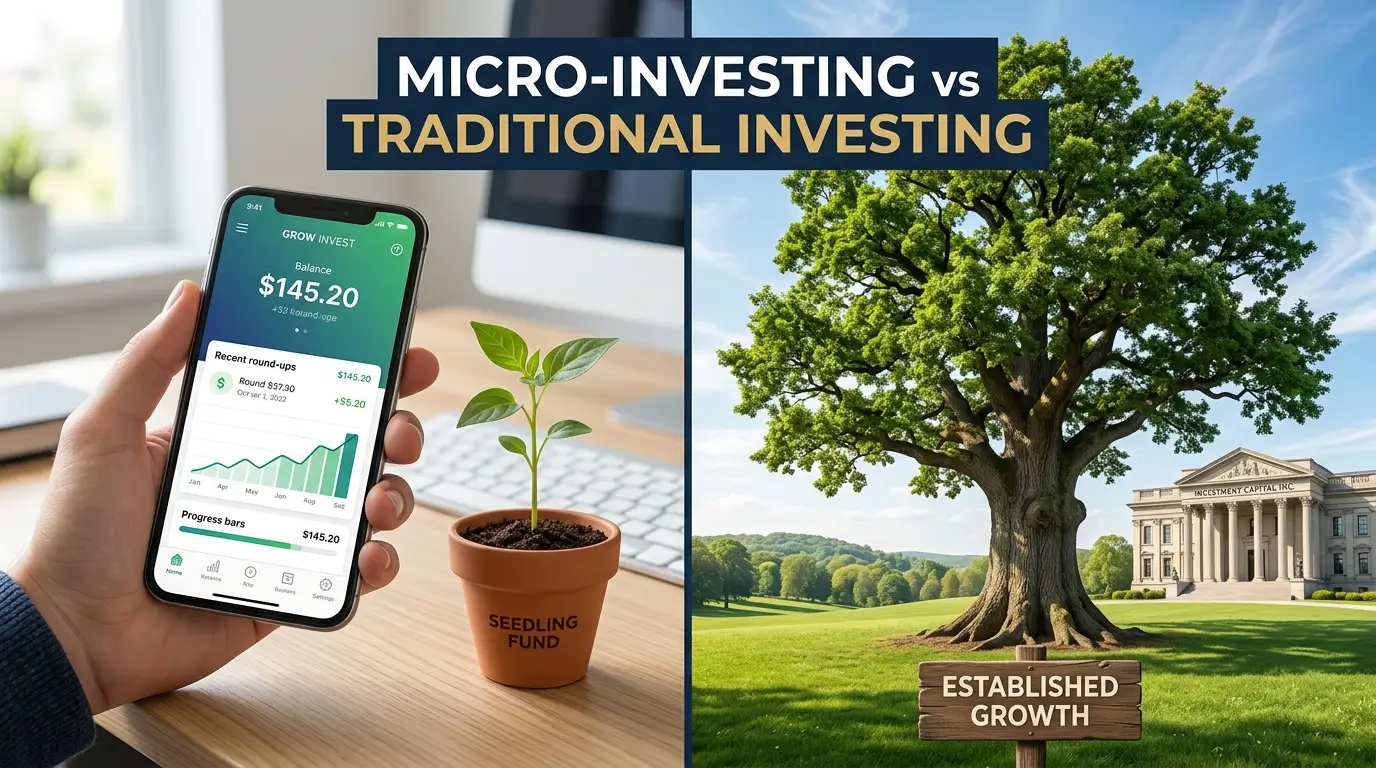
Micro-investing allows you to invest small amounts of money regularly, making it easier to start without a large upfront investment.
Dollar-cost averaging involves investing a fixed amount regularly, reducing the impact of market volatility.
Can You Start Investing with $100?

Exploring Micro-Investing
Micro-investing is a strategy that allows investors to buy fractional shares of stocks or funds, making investing accessible to those with limited capital.
Benefits of Micro-Investing:
Low Entry Costs: Start investing with as little as $5.
Diversification: Invest in various assets without needing a large sum.
Learning Opportunity: Great for beginners to learn about investing without high stakes.
Best Platforms for Micro-Investing:
Acorns: Rounds up your purchases and invests the spare change.
Stash: Allows you to start investing with as little as $5 and offers educational resources.
Robinhood: Commission-free trades with no minimum investment requirement.
Is It Worth Investing with a Small Amount of Money?
Investing with a small amount can lead to significant growth over time. For instance, if you invest $100 in a diversified index fund with an average annual return of 7%, in 30 years, that investment could grow to over $700, thanks to compound interest.
Case Studies of Successful Small Investors:Many investors have started with minimal funds and achieved financial independence. For example, an individual who began investing $100 monthly in a diversified portfolio can accumulate substantial wealth over decades, demonstrating the potential of starting small.
Risks of Starting to Invest with Little Money
Understanding Investment Risks
Investing small amounts comes with its own set of risks, including:
Market Volatility: Small investments can be affected by market fluctuations.
Limited Diversification: A small portfolio may not be diversified enough to mitigate risks effectively.
Importance of Diversification to Mitigate Risks
Diversification involves spreading your investments across various assets to reduce risk. For example, investing in a mix of stocks, bonds, and ETFs can help cushion against market downturns.
Expert Opinions on Starting Small
Financial advisors often encourage starting with whatever amount you can afford. They highlight that the experience gained from investing, even in small amounts, can be invaluable. Additionally, many experts emphasize the importance of consistency and patience in investing.
Frequently Asked Questions (FAQs)
What is the minimum amount to start investing?
Minimum amounts vary by investment type, with some requiring as little as $0 (ETFs) and others needing $1,000 or more (bonds).
How much money do I need to start investing in stocks?
You can start investing in stocks with as little as $100, depending on the brokerage.
Can I start investing with $100?
Yes, many platforms allow you to invest with $100 or less.
What are the best platforms for micro-investing?
Popular micro-investing platforms include Acorns, Stash, and Robinhood.
How do I calculate my investment budget?
Assess your financial situation, set goals, and allocate disposable income for investments.
What types of investments require less money to start?
Stocks, ETFs, and cryptocurrencies typically require less capital to begin.
Is it worth investing with a small amount of money?
Yes, even small investments can grow significantly over time due to compound interest.
What are the risks of starting to invest with little money?
Risks include market volatility and limited diversification, which can be mitigated through careful investment choices.
Conclusion
In summary, understanding the investment startup costs and the various options available can empower you to make informed decisions. Whether you have $100 or $10,000, starting your investment journey is a crucial step toward financial growth. Remember, the earlier you start investing, the more time your money has to grow. So, take that first step today and explore the investment opportunities available to you!