
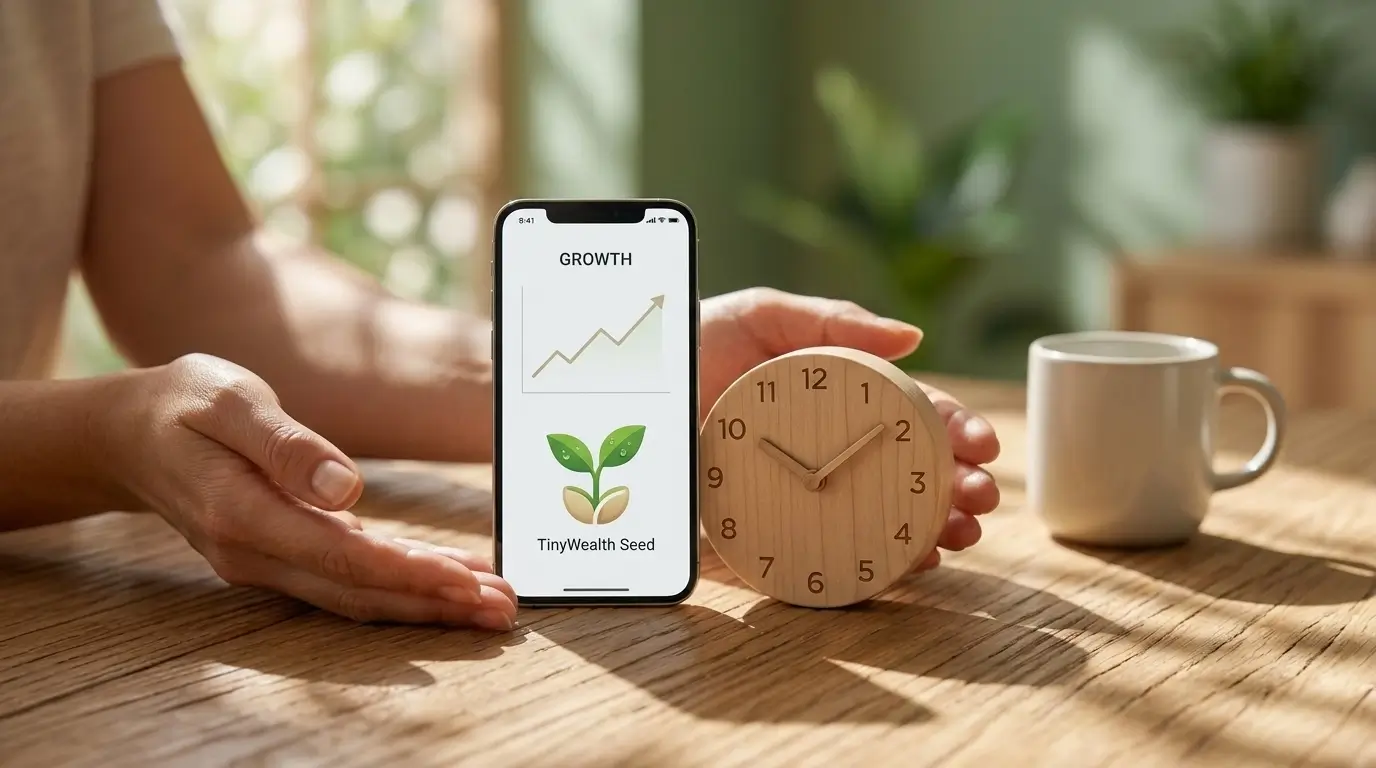
How Often Should You Check Your Micro-Investing Account
Micro-investing has emerged as a popular approach for individuals looking to grow their wealth with minimal financial commitment. By allowing users to invest small amounts of money, often through mobile apps, micro-investing democratizes access to investment opportunities. However, while it’s easy to start investing, understanding how often to check your micro-investing account is crucial for maintaining a healthy investment strategy.
In this guide, we will explore the importance of monitoring your investment account, the recommended frequency for checking your investments, and practical tips for effective micro-investing.
Understanding Micro-Investing
What is Micro-Investing?
Micro-investing refers to the practice of investing small amounts of money, often through user-friendly apps, which allow individuals to build a diversified portfolio without significant upfront capital.
Popular Micro-Investing Platforms:
Acorns: Rounds up purchases and invests the spare change.
Stash: Allows users to invest in fractional shares and build portfolios based on personal preferences.
Robinhood: Offers commission-free trading and a user-friendly interface for both stocks and ETFs.
Benefits of Micro-Investing:
Accessibility: Low initial investment requirements make it easy for anyone to start.
Diversity: Users can spread their investments across various assets.
Education: Many platforms offer educational resources to help users understand investing.
Key Concepts in Micro-Investing
Understanding micro-investing involves familiarizing yourself with several key concepts:
Investment Accounts: These are accounts used to buy and sell investments like stocks, bonds, and ETFs.
Portfolio Management: The process of building and maintaining an investment portfolio that aligns with your financial goals.
Risk Tolerance: Your ability and willingness to endure fluctuations in the value of your investments.
Financial Goals: Specific objectives you aim to achieve through investing, such as saving for retirement or a major purchase.
How Often Should You Check Your Micro-Investing Account?
Recommended Frequency for Checking Investments
The frequency with which you should check your micro-investing account can vary based on individual circumstances. Here are some general guidelines:
Weekly: Ideal for those who are new to investing and want to stay informed about market trends and account performance.
Monthly: Suitable for most investors, allowing a balance between staying updated and avoiding obsessive monitoring.
Quarterly: Recommended for seasoned investors who prefer a more hands-off approach while still keeping an eye on long-term performance.
Factors Influencing Frequency:
Market Trends: If significant changes occur in the market, it may warrant more frequent checks.
Personal Financial Goals: Changes in your financial objectives can also impact how often you should review your investments.
The 3-5-7 Rule in Investing
The 3-5-7 Rule is a guideline that suggests checking your investments:
Every 3 months for short-term goals.
Every 5 years for mid-term goals.
Every 7 years for long-term goals.
This rule helps investors maintain discipline and focus on long-term growth rather than short-term fluctuations, which is particularly relevant for micro-investing.
Expert Opinions on Investment Frequency
Financial advisors often recommend a balanced approach to investment monitoring. Many suggest that frequent checks can lead to emotional decision-making and stress. Instead, they advocate for scheduled reviews that align with your investment strategy and financial goals.
Successful investors typically practice patience and discipline, checking their accounts regularly but not obsessively.
What to Look For When Checking Your Investment Account

Key Metrics to Monitor
When reviewing your micro-investing account, focus on the following key metrics:
Account Performance: Look at your returns and overall growth compared to benchmarks.
Investment Diversification: Ensure your portfolio is well-diversified to minimize risk.
Alignment with Financial Goals: Assess whether your current investments are helping you achieve your financial objectives.
Tools and Resources for Monitoring Investments
Several tools and platforms can help you effectively monitor your micro-investing account:
| Tool/Resource | Description |
|---|---|
| Investment Tracking Apps | Apps like Mint or Personal Capital for tracking finances. |
| Financial Health Check Tools | Tools that assess your overall financial health. |
| Portfolio Performance Review Resources | Websites that provide analysis and insights on your portfolio. |
Signs You Need to Adjust Your Investment Strategy
Indicators of Underperformance
Monitoring your investments can reveal signs that you may need to adjust your strategy:
Consistent Losses or Stagnation: If your investments are consistently underperforming, it may be time to reevaluate.
Changes in Personal Financial Goals: Life events such as marriage, buying a home, or retirement can necessitate a shift in your investment strategy.
Market Changes and Their Impact
Market trends can significantly affect micro-investing accounts. For instance, economic downturns may require a reevaluation of risk tolerance and investment choices. Staying informed about economic conditions and market fluctuations is essential for making informed investment decisions.
Practical Tips for Effective Micro-Investing
Setting Up Your Monitoring Routine
Creating a schedule for checking your accounts can help you maintain discipline. Consider setting aside time monthly or quarterly to review your investments and assess performance.
Avoiding Over-Checking Your Investments
Constantly monitoring your investments can lead to anxiety and impulsive decisions. Here are some strategies to reduce anxiety related to investment fluctuations:
Set specific review dates: Stick to your schedule to avoid impulsive checks.
Limit exposure to market news: Too much information can lead to unnecessary stress.
Focus on long-term goals: Remind yourself of your financial objectives to maintain perspective.
Frequently Asked Questions (FAQ)
How often should I check my micro-investing account?
It's generally recommended to check your account monthly, but this can vary based on personal preferences and financial goals.
Is it necessary to check my investments daily?
No, daily checks can lead to emotional decision-making. A balanced approach is more beneficial.
How can I track my micro-investing progress?
Use investment tracking apps and financial health check tools to monitor your investments and assess performance.
Should I consult a financial advisor for micro-investing?
Consulting a financial advisor can provide valuable insights and help tailor your investment strategy to your goals.
How do I know if my micro-investing strategy is working?
Monitor key metrics such as account performance, diversification, and alignment with your financial goals.
What should I look for when checking my investment account?
Focus on account performance, investment diversification, and whether your portfolio aligns with your financial objectives.
How do market changes affect my micro-investing account?
Market changes can impact the value of your investments, necessitating adjustments to your strategy based on risk tolerance and financial goals.
Conclusion
In conclusion, understanding how often to check your micro-investing account is essential for maintaining a successful investment strategy. Regular monitoring helps you assess performance, align with financial goals, and make informed decisions.
By developing a personalized investment monitoring strategy that suits your needs, you can navigate the world of micro-investing with confidence and clarity.