
How Micro-Investing Apps Actually Make Money?
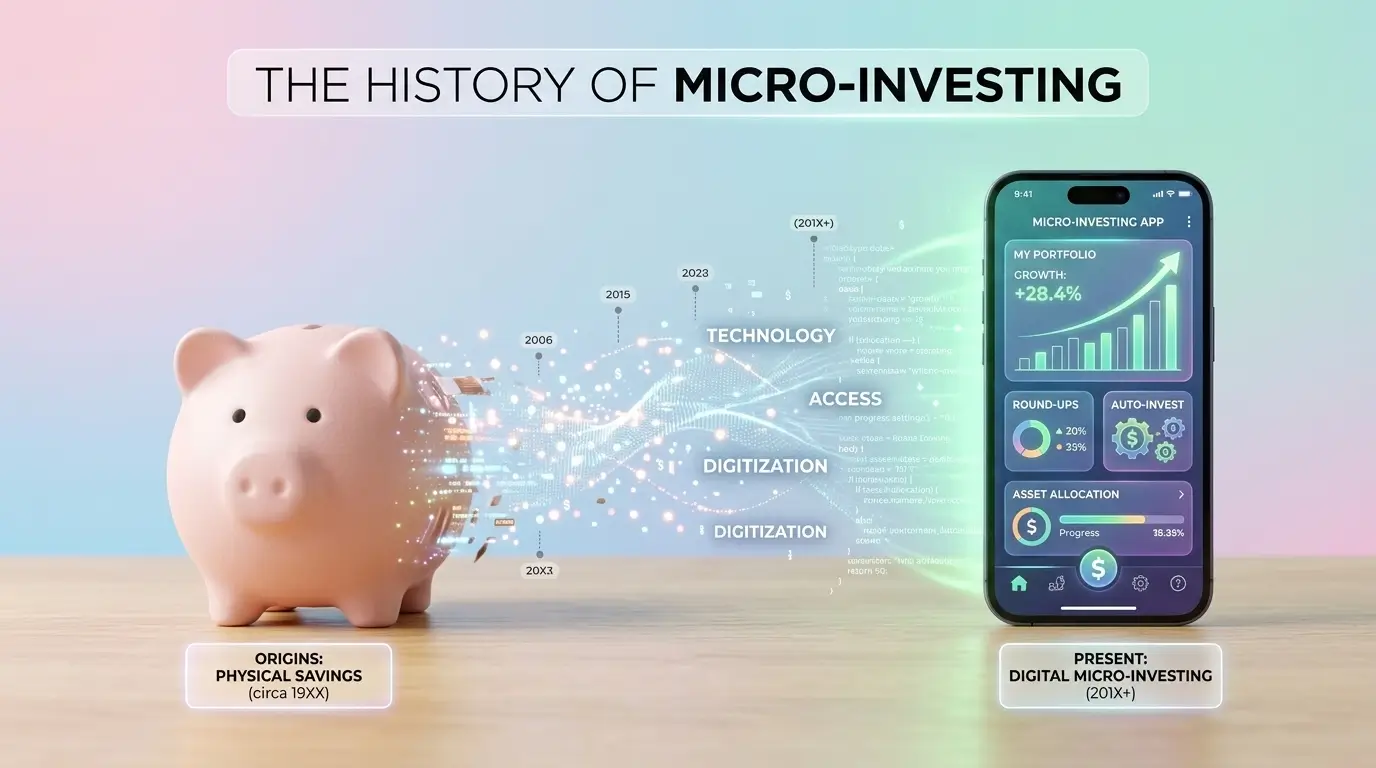
Micro-investing apps have revolutionized the way individuals approach investing, particularly for those who may not have significant capital to start with. These platforms allow users to invest small amounts of money, often rounding up purchases to the nearest dollar and investing the difference. Understanding how these apps generate revenue is crucial for users to assess their value and effectiveness in managing personal finances. Popular micro-investing apps include Acorns, Stash, and Robinhood, each with unique features and monetization strategies.
What Are Micro-Investing Apps?
Micro-investing refers to the practice of investing small amounts of money, often through digital platforms. These apps are designed to lower the barriers to entry for new investors, making it easier for anyone to start investing with minimal capital.
Key Features of Micro-Investing Apps
Round-Up Investing: Automatically invests spare change from everyday purchases.
User-Friendly Interfaces: Simplified navigation and design tailored for novice investors.
Portfolio Diversification: Offers a range of investment options, including ETFs and stocks.
Educational Resources: Provides tools and information to enhance financial literacy.
Comparison with Traditional Investing Methods
| Feature | Micro-Investing Apps | Traditional Investing Methods |
|---|---|---|
| Minimum Investment | Often $5 or less | Typically higher (e.g., $1,000 ) |
| Accessibility | Available via smartphones | Requires brokerage accounts |
| Fees | Generally low, often subscription-based | Can include commissions and fees |
| User Experience | Intuitive and engaging | Can be complex and intimidating |
How Do Micro-Investing Apps Make Money?
Micro-investing apps utilize several revenue models to generate income. Understanding these models helps users make informed decisions about which app to choose.
Revenue Models of Micro-Investing Apps

Transaction Fees
Transaction fees are charges applied each time a user buys or sells an investment. While some apps, like Robinhood, offer commission-free trading, others may charge fees for specific transactions.
Examples: Stash charges a fee for certain investment transactions.
Subscription Models
Many micro-investing apps operate on a subscription basis, charging users a monthly or annual fee for premium features or services.
Case Study: Acorns offers a subscription model where users pay a monthly fee for access to their investment services, including automatic rebalancing and personalized financial advice.
Advertising Revenue
Advertising can be a significant source of income for micro-investing apps. By partnering with brands or displaying sponsored content, these apps monetize their user base.
Examples: Various apps display ads tailored to their users' interests, generating additional revenue.
User Fees
Some micro-investing apps may impose fees for specific actions, such as account maintenance or withdrawals. These fees can impact user experience and retention.
Types of User Fees: Withdrawal fees, account maintenance fees, and inactivity fees.
Investment Returns
Micro-investing apps often earn income from the investments made by their users. This can include management fees charged on the investment portfolio.
Discussion: Many apps charge asset management fees, which can range from 0.25% to 1% of the assets under management.
Comparative Analysis of Revenue Models
| Revenue Model | Description | Examples | Pros | Cons |
|---|---|---|---|---|
| Transaction Fees | Fees charged per transaction | Stash, Robinhood | Immediate revenue | Can deter small investors |
| Subscription Models | Monthly/annual fees for premium services | Acorns, Wealthfront | Predictable income | May limit user base |
| Advertising Revenue | Income from ads displayed in-app | Various | Additional revenue | May affect user experience |
| User Fees | Fees for specific actions | Various | Simple to implement | Can lead to dissatisfaction |
| Investment Returns | Earnings from managing investments | All apps | Aligns interests | Dependent on market performance |
Advantages of Using Micro-Investing Apps
Micro-investing apps provide several advantages that appeal to a broad audience:
Accessibility for New Investors: Lower minimum investment requirements make it easier for anyone to start investing.
Lower Barriers to Entry: Users can begin with as little as $5, making investing more inclusive.
User-Friendly Interfaces: Designed for ease of use, these apps cater to novice investors.
Educational Resources: Many apps offer tools and content to improve financial literacy.
Potential for Long-Term Financial Growth: Small, consistent investments can lead to significant growth over time.
Disadvantages and Risks of Micro-Investing Apps
Despite their advantages, micro-investing apps come with certain drawbacks:
Limited Investment Options: Users may find fewer investment choices compared to traditional brokers.
Fees That Can Eat Into Returns: Subscription and transaction fees can reduce overall investment returns.
Market Volatility and Risk of Loss: Investments are subject to market fluctuations, which can lead to losses.
Over-Reliance on Technology: Users must trust the app's technology and algorithms for their investment decisions.
How Do Investment Apps Generate Revenue?
The financial technology landscape is rapidly evolving, and micro-investing apps are at the forefront of this shift. These platforms leverage data analytics to enhance user engagement and improve profitability.
Role of Data Analytics: By analyzing user behavior and preferences, apps can tailor their offerings and marketing strategies to boost revenue.
User Engagement: Higher engagement levels lead to increased transaction volumes, subscriptions, and overall profitability.
Are Micro-Investing Apps Worth It?
Evaluating the cost versus benefits of micro-investing apps is essential for potential users.
User Testimonials and Case Studies: Many users report positive experiences, highlighting the ease of use and accessibility.
Expert Opinions: Financial analysts often view micro-investing as a stepping stone for individuals new to investing, emphasizing its role in promoting financial literacy.
How Micro-Investing Platforms Attract Users
Marketing Strategies
Micro-investing apps employ various marketing strategies to attract users:
Social Media Campaigns: Engaging content on platforms like Instagram and Twitter to reach younger audiences.
Referral Programs: Incentivizing existing users to refer friends in exchange for rewards.
Educational Content: Offering free resources to educate potential investors about the benefits of micro-investing.
User Engagement Techniques
To maintain user interest and encourage regular investment, micro-investing apps utilize several techniques:
Gamification of Investing: Incorporating game-like elements to make investing more enjoyable and engaging.
Personalized Investment Recommendations: Using algorithms to suggest investments based on user preferences and risk tolerance.
Community-Building Features: Creating forums or social features that allow users to share experiences and advice.
Frequently Asked Questions (FAQ)
What are micro-investing apps?
Micro-investing apps are platforms that allow users to invest small amounts of money, often by rounding up purchases to the nearest dollar.
How do micro-investing apps make money?
They utilize various revenue models, including transaction fees, subscription services, advertising revenue, user fees, and investment returns.
What fees do micro-investing apps charge?
Common fees include transaction fees, subscription fees, and user fees for specific actions.
Are micro-investing apps worth it?
They offer advantages like accessibility and educational resources, but users should consider fees and investment options.
What is the business model of micro-investing apps?
The business model varies by app but often includes a mix of transaction fees, subscriptions, and investment returns.
How do investment apps generate revenue?
Through transaction fees, subscriptions, advertising, user fees, and investment management fees.
What are the advantages of using micro-investing apps?
Key benefits include accessibility, user-friendly interfaces, and potential for long-term growth.
How do micro-investing platforms attract users?
Through social media marketing, referral programs, and engaging user experiences.
Conclusion
Understanding how micro-investing apps make money is essential for users looking to make informed decisions about their investment options. As the landscape of personal finance continues to evolve, evaluating personal financial goals and considering the benefits and drawbacks of these platforms is crucial. With their innovative approaches and user-centric designs, micro-investing apps are likely to play a significant role in shaping the future of personal finance.