
Micro-Investing Myths That Are Keeping You Poor
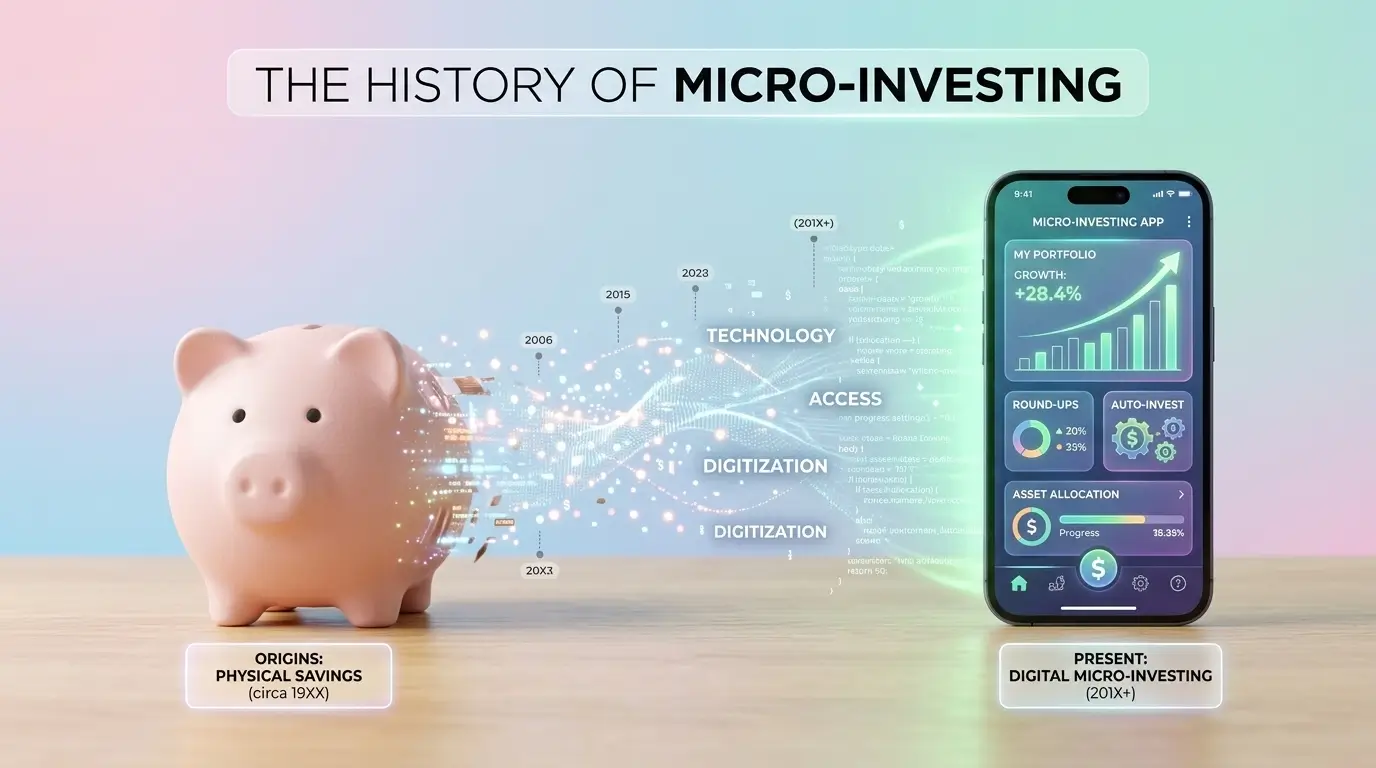
Micro-investing refers to the practice of investing small amounts of money - often as little as $5 - into financial markets, typically through user-friendly apps. This innovative approach has gained popularity, especially among younger investors, as it allows individuals to enter the investment world without requiring substantial capital.
However, despite its accessibility, several micro-investing misconceptions persist. Addressing these myths is crucial for enhancing financial literacy and empowering individuals to build wealth effectively. By debunking these myths, we can help potential investors understand the true value of micro-investing and how it can positively impact their financial future.
Common Micro-Investing Myths
Myth 1: You Need a Lot of Money to Start Micro-Investing
One of the most prevalent myths is that significant capital is necessary to begin investing. This misconception stems from traditional investing norms, where substantial initial investments are often required. In contrast, micro-investing platforms like Acorns, Stash, and Robinhood allow users to start investing with minimal amounts, often as low as $5.
Real-life examples of successful micro-investors demonstrate that even small investments can grow significantly over time. For instance, a user who consistently invests $5 a week could amass over $1,500 in a decade, assuming a modest annual return.
Myth 2: Micro-Investing is Too Complicated
Many individuals believe that micro-investing is overly complex, deterring them from participating. However, modern investment apps are designed with user-friendly interfaces that simplify the investment process.
Platforms like Acorns automate investment decisions, while Stash allows users to choose their investments based on personal interests. Expert opinions highlight that these platforms are accessible, making it easy for anyone to start investing, even without prior experience.
Myth 3: Micro-Investing is Too Risky
Another common myth is that micro-investing carries excessive risk. While all investments entail some degree of risk, micro-investing often allows for better risk management.
By promoting diversification, micro-investing can mitigate risks associated with individual stocks or assets. Statistics show that diversified portfolios can reduce volatility, making micro-investing a safer option for beginners seeking to enter the stock market.
Myth 4: Micro-Investing Won't Make a Significant Impact on Wealth
Some skeptics argue that micro-investing won't substantially contribute to wealth accumulation. However, the power of compound interest can significantly enhance even the smallest investments over time.
For example, investing $5 weekly with an average annual return of 7% could yield over $10,000 in 30 years. Case studies illustrate that consistency and time, rather than the amount invested, are key to building wealth through micro-investing.
Myth 5: Micro-Investing is Only for Young People
It's a misconception that micro-investing is exclusively for younger generations. Financial literacy spans across all age groups, and starting micro-investing at any age can be beneficial.
Testimonials from older micro-investors reveal that many have successfully utilized micro-investing to enhance their retirement savings or achieve financial goals. The flexibility of micro-investing makes it a viable option for anyone, regardless of age.
Myth 6: You Can’t Achieve Financial Independence with Micro-Investing
The definition of financial independence varies, but it typically involves having sufficient income from investments to cover living expenses without relying on a traditional job. Micro-investing can play a significant role in achieving this goal.
When compared to traditional investment strategies, micro-investing can provide a more accessible entry point for individuals looking to build their portfolios. By accumulating wealth over time, micro-investing can contribute to long-term financial independence.
How Micro-Investing Can Help Build Wealth
Benefits of Micro-Investing
Micro-investing offers several advantages that can help individuals build wealth, including:
Accessibility for all income levels: Anyone can start investing with minimal funds.
Flexibility in investment amounts: Investors can choose how much to invest based on their financial situation.
Encouragement of saving habits: Micro-investing fosters a culture of saving and investing, helping individuals build wealth over time.
Micro-Investing vs. Traditional Investing
| Aspect | Micro-Investing | Traditional Investing |
|---|---|---|
| Minimum Investment | Low (often $5 or less) | Higher (varies by platform) |
| Risk Level | Generally lower | Varies, can be higher |
| Time Commitment | Minimal | Often requires more time |
| Accessibility | High (apps available) | Moderate (brokerage needed) |
Getting Started with Micro-Investing

What to Know Before Starting
Before diving into micro-investing, beginners should consider several key factors:
Setting financial goals: Determine what you want to achieve through investing.
Understanding investment opportunities: Familiarize yourself with different asset classes and investment options available through micro-investing platforms.
Choosing a Micro-Investing Platform
When selecting a micro-investing platform, consider the following factors:
Fees: Understand the fee structure of each platform.
Features: Evaluate what additional services and tools each platform offers.
User experience: Look for an intuitive interface that suits your preferences.
Comparison of popular platforms:
| Platform | Key Features | Fees |
|---|---|---|
| Acorns | Automatic round-ups, diversified ETFs | $1/month for basic |
| Stash | Customizable portfolios, educational resources | $1/month for basic |
| Robinhood | Commission-free trading, cryptocurrencies | No commission, but spreads apply |
Actionable Tips for Effective Micro-Investing
Start small and gradually increase investments: Begin with manageable amounts and scale up as you become more comfortable.
Set up automatic contributions: Automating your investments can help you stay consistent.
Monitor and adjust your investment strategy: Regularly review your portfolio and make necessary adjustments based on your financial goals.
Risks and Downsides of Micro-Investing
Common Risks Associated with Micro-Investing
While micro-investing is relatively safe, it is not without risks. Common risks include:
Market volatility: Fluctuations in the market can impact investment values.
Potential for lower returns: Smaller investments may yield lower returns compared to larger investments.
Fees that can eat into profits: Some platforms charge fees that can diminish overall returns.
How to Mitigate Risks
To reduce risks associated with micro-investing, consider these strategies:
Diversification strategies: Spread investments across various asset classes to minimize risk.
Regular portfolio reviews: Assess your investments periodically to ensure they align with your goals.
Seeking advice from financial advisors: Professional guidance can help you navigate the complexities of investing.
Frequently Asked Questions (FAQ)
What are the common myths about micro-investing?
Common myths include the belief that you need a lot of money to start, that it's too complicated, and that it won't significantly impact wealth.
How can micro-investing help me build wealth?
Micro-investing allows individuals to invest small amounts consistently, leveraging compound interest over time to build wealth.
Is micro-investing a good strategy for beginners?
Yes, micro-investing is an excellent strategy for beginners due to its low entry barrier and user-friendly platforms.
What are the risks associated with micro-investing?
Risks include market volatility, potential for lower returns, and fees that could impact profits.
How does micro-investing differ from traditional investing?
Micro-investing typically requires lower minimum investments, offers greater accessibility, and often involves less time commitment compared to traditional investing.
Can micro-investing really make a difference in my finances?
Absolutely. Even small, consistent investments can accumulate significantly over time, especially with the power of compound interest.
What should I know before starting micro-investing?
Understand your financial goals, familiarize yourself with different platforms, and consider your risk tolerance.
Are there any downsides to micro-investing?
Potential downsides include market risks, lower returns on smaller investments, and fees that can affect overall profitability.
How do I choose a micro-investing platform?
Consider factors like fees, features, and user experience when selecting a platform that meets your needs.
What are the benefits of micro-investing?
Benefits include accessibility for all income levels, flexibility in investment amounts, and the encouragement of saving habits.
Conclusion
Debunking micro-investing myths is essential for fostering financial literacy and empowering individuals to take control of their financial futures. By understanding the true nature of micro-investing, anyone can start their journey toward financial growth and independence.
Embrace micro-investing as a viable strategy for building wealth, regardless of your current financial situation. With informed investment choices, you can pave the way towards achieving your financial goals.