
Can You Lose Money with Micro Investing? What Beginners Need to Know
Micro-investing is an innovative approach to investing that allows individuals to invest small amounts of money, often through user-friendly apps. It is particularly appealing to beginners who may not have substantial capital to invest but wish to start building their wealth. However, understanding the risks and benefits associated with micro-investing is crucial for anyone considering this investment strategy.
In this guide, we will explore the fundamentals of micro-investing, the potential risks involved, and what beginners need to know to navigate this landscape effectively.
What is Micro-Investing?
Micro-investing refers to the practice of investing small amounts of money, typically in fractional shares of stocks, exchange-traded funds (ETFs), or other investment vehicles. This approach allows individuals to enter the investment market without needing large sums of money upfront.
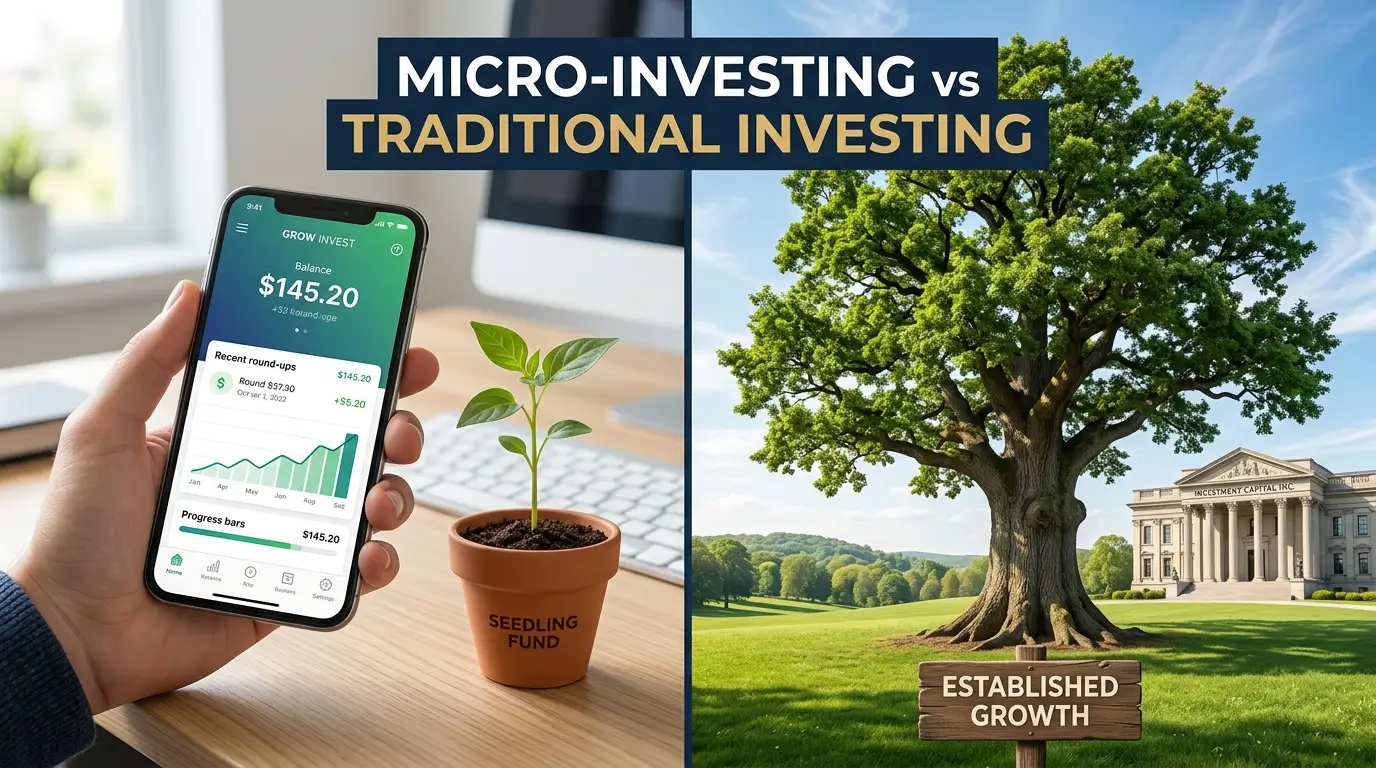
How it Differs from Traditional Investing
Unlike traditional investing, which often requires substantial capital and may involve high fees, micro-investing platforms enable users to invest with as little as $5 or even less. This democratization of investing opens the door for many who might otherwise feel excluded from the financial markets.
Common Platforms and Tools Used for Micro-Investing
Several platforms facilitate micro-investing, including:
Acorns: Rounds up purchases to the nearest dollar and invests the spare change.
Stash: Allows users to invest in fractional shares and provides educational resources.
Robinhood: Offers commission-free trading for stocks and ETFs, making it accessible for small investors.
How Does Micro-Investing Work?
Micro-investing operates on a few key principles:
Fractional Shares
Investors can buy fractions of a share, allowing them to invest in high-priced stocks without needing to purchase a whole share. For instance, if a stock costs $100, an investor can buy $10 worth, owning 0.1 shares.
Dollar-Cost Averaging
Micro-investing often employs dollar-cost averaging, where investors contribute a fixed amount regularly, regardless of market conditions. This strategy helps mitigate the impact of market volatility over time.
Overview of Investment Apps and Their Functionalities
Most micro-investing apps feature user-friendly interfaces that allow individuals to:
Set up automatic contributions.
Track investment performance.
Access educational resources to enhance financial literacy.
Can You Really Lose Money with Micro-Investing?
Yes, it is possible to lose money with micro-investing, just as with any form of investing. Understanding the risks involved is crucial for beginners.
Discussion on Investment Risks
Market Volatility: The stock market can be unpredictable, and investments can lose value quickly.
Poor Investment Choices: Investing in poorly performing stocks or funds can lead to losses.
Real-Life Examples of Losses in Micro-Investing
There have been instances where micro-investors faced losses due to market downturns or investing in volatile assets without proper research. For example, during the COVID-19 pandemic, many stocks experienced significant declines, impacting even small investors.
What Are the Risks of Micro-Investing?

Understanding the risks associated with micro-investing is essential for managing potential losses.
Detailed Analysis of Potential Risks
Lack of Diversification: Many micro-investors may not diversify their portfolios adequately, increasing risk.
High Fees Associated with Some Platforms: While many apps promote low fees, some may charge hidden fees that can eat into returns.
Emotional Investing and Decision Fatigue: Beginners may make impulsive decisions based on market emotions rather than sound strategies.
Strategies for Risk Management
Diversification: Spread investments across different asset classes to reduce risk.
Regular Portfolio Reviews: Assess and adjust your portfolio periodically to align with your financial goals.
Utilizing Financial Advisors or Robo-Advisors: Consider professional guidance for tailored investment strategies.
Is Micro-Investing Suitable for Beginners?
Micro-investing has its pros and cons for new investors.
Pros and Cons of Micro-Investing for New Investors
| Pros | Cons |
|---|---|
| Accessibility: Low barriers to entry | Limited Growth Potential: Small investments may yield lower returns |
| Encouragement of Saving Habits: Regular contributions foster a savings mindset | Potential for Emotional Investing: Beginners may act on impulse |
| Educational Resources: Many platforms offer learning materials | Fees: Some platforms have hidden fees that can reduce returns |
Comparison with Other Investment Options
Compared to traditional investing or savings accounts, micro-investing provides a more engaging way for beginners to enter the market, although it may not offer the same level of returns as a diversified portfolio of stocks or bonds.
Importance of Financial Literacy for Beginners
Understanding basic investment principles, risk tolerance, and financial goals is crucial for any investor, especially those just starting.
What Should Beginners Know About Micro-Investing?
Before diving into micro-investing, beginners should familiarize themselves with several key concepts:
Key Concepts to Understand
Investment Fundamentals: Grasp basic terms and concepts such as stocks, bonds, and ETFs.
Risk Tolerance: Assess how much risk you are willing to take based on your financial situation.
Financial Goals: Define your short-term and long-term financial objectives to guide your investment choices.
Tips for Effective Micro-Investing
Setting Realistic Expectations: Understand that returns may be modest initially; focus on the long-term.
Regularly Reviewing Investments: Stay informed about your investments and market trends.
How to Start Micro-Investing?
Getting started with micro-investing is straightforward. Here’s a step-by-step guide for beginners:
Step-by-Step Guide for Beginners
Choosing the Right Micro-Investing Platform: Research and select a platform that aligns with your investment goals and offers favorable terms.
Setting Up an Account: Create an account, providing necessary personal and financial information.
Making Your First Investment: Start with a small amount, using features like round-ups or automatic contributions.
Recommended Micro-Investing Platforms
| Platform | Features | Fees | Benefits |
|---|---|---|---|
| Acorns | Round-ups, diversified portfolios | Monthly fee ($1-$5) | Easy to use, automatic investing |
| Stash | Fractional shares, educational content | $1/month trading fees | Personalized investment options |
| Robinhood | Commission-free trading | No commissions | User-friendly, no account minimum |
How to Minimize Losses in Micro-Investing?
While losses can occur, there are strategies to help mitigate them:
Strategies for Loss Mitigation
Diversification of Investments: Invest across various sectors and asset classes to spread risk.
Regular Portfolio Reviews: Monitor performance and make adjustments as needed.
Utilizing Financial Advisors or Robo-Advisors: Seek professional advice or automated services for portfolio management.
Importance of Continuous Education in Investing
Staying informed about market trends and investment strategies can significantly enhance your ability to make sound decisions and minimize risks.
What Are the Benefits of Micro-Investing?
Micro-investing offers several advantages, especially for beginners:
Advantages of Micro-Investing for Beginners
Accessibility and Affordability: Low minimum investment amounts make it easy to start.
Encouragement of Saving and Investing Habits: Regular contributions can build a strong financial foundation.
Potential for Long-Term Wealth Building: Even small investments can grow significantly over time with compound interest.
Case Studies of Successful Micro-Investors
Many individuals have successfully built wealth through micro-investing by starting small and being consistent. For example, a college student who invested $5 weekly in a diversified ETF could accumulate a substantial amount over several years, demonstrating the power of consistent investing.
Frequently Asked Questions (FAQs)
What is the minimum amount to start micro-investing?
Many platforms allow you to start with as little as $5.Can micro-investing help build wealth over time?
Yes, consistent small investments can lead to significant growth over time due to compounding.Are there tax implications for micro-investing?
Yes, like any investment, gains may be subject to capital gains tax.How do I choose the best micro-investing app?
Consider factors like fees, investment options, and user experience.What should I do if I experience losses?
Review your investment strategy, consider diversification, and consult with a financial advisor if necessary.
Conclusion
Micro-investing presents a unique opportunity for beginners to enter the investment world with minimal risk and capital. However, it's essential to understand the potential for losses and the importance of financial literacy. By educating yourself about investment fundamentals and adopting sound strategies, you can navigate the micro-investing landscape effectively.
As you embark on your micro-investing journey, remember that patience, consistency, and continuous learning are key to achieving your financial goals.
Additional Resources
Books: The Intelligent Investor by Benjamin Graham, A Random Walk Down Wall Street by Burton Malkiel
Tools: Personal finance apps like Mint or YNAB for budgeting and tracking investments.